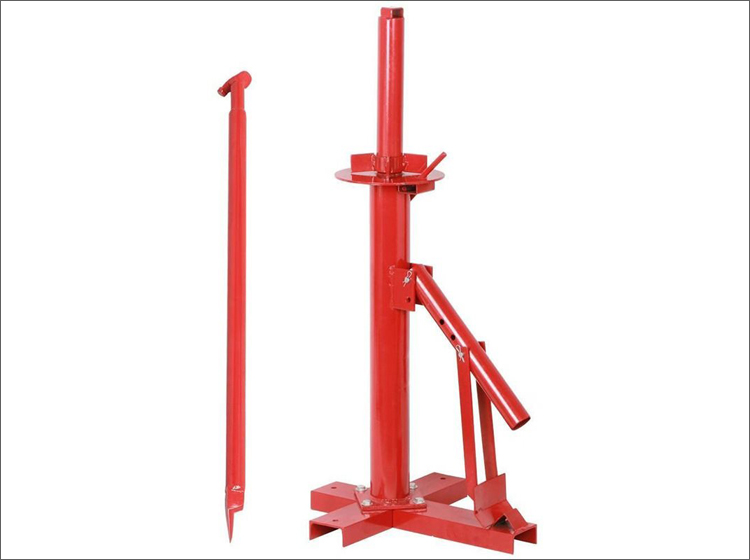
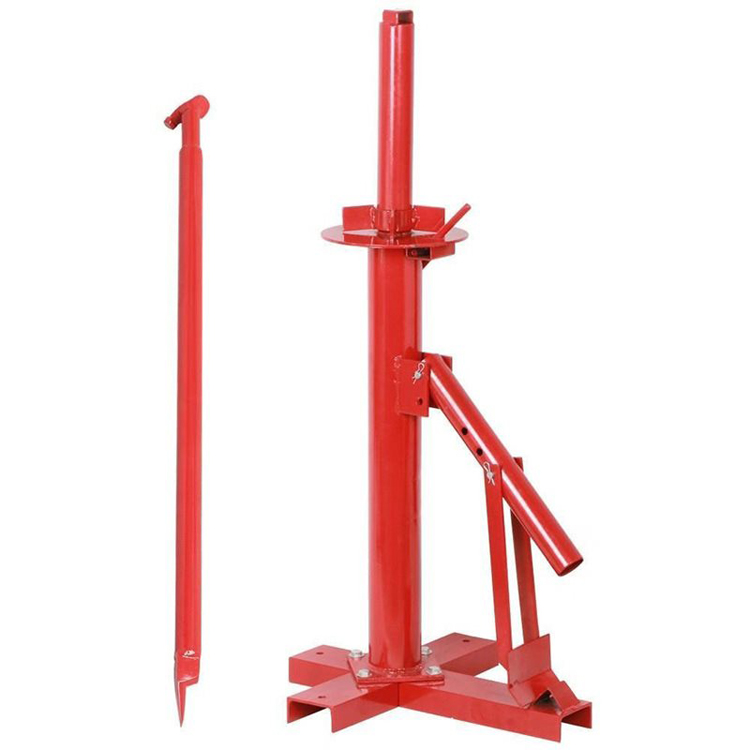
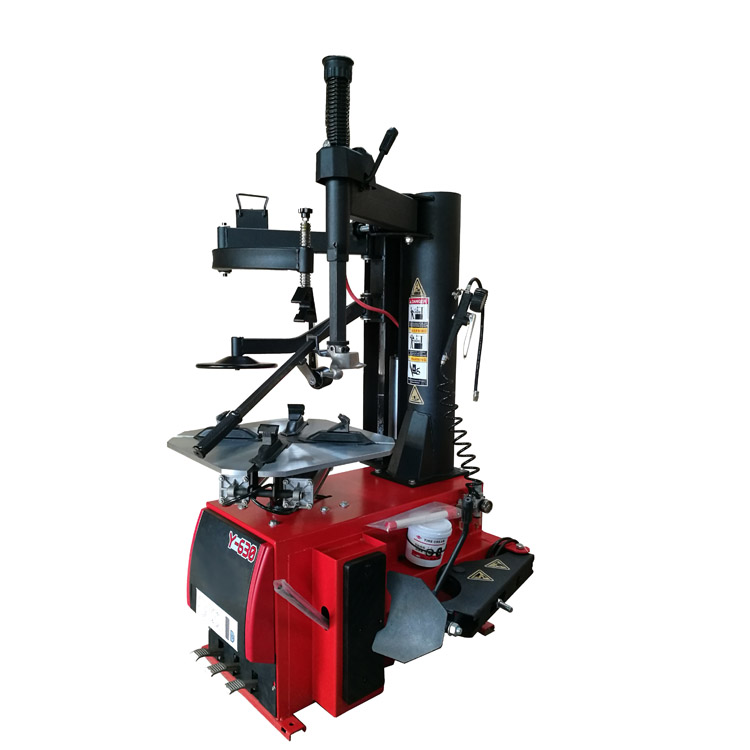
| Power source | Driven by an electric motor, the tire removal arm and chuck are operated through hydraulic or mechanical transmission. | The process is entirely manual, using tools such as crowbars, tire levers, and hand cranks for disassembly and assembly. |
| Work efficiency | Extremely efficient, with each tire taking only 1–3 minutes to remove and install; capable of continuous operation, suitable for batch processing. | The process is inefficient, with each tire taking 10–20 minutes to remove and install; it is time-consuming and labor-intensive, making it difficult to handle large-scale tasks. |
| Applicable scenarios | Suitable for commercial settings such as auto repair shops, 4S dealerships, and tire specialty stores; compatible with tires for various vehicle types including passenger cars, SUVs, and light trucks. | Suitable for individual car owners, small repair shops, emergency roadside assistance, and other small-scale/emergency scenarios; primarily designed for small tires (such as passenger car and motorcycle tires). |
| Difficulty of operation | It's easy to learn; you only need to master basic steps such as chuck fixing and tire arm positioning. It requires minimal physical effort from the operator. | This task requires high levels of skill and physical strength, and requires proficient knowledge of the correct angle for using the pry bar to avoid scratching the wheel rim or damaging the tire bead. |
| Functional adaptability | It is fully functional and can be used with accessories such as auxiliary arms and tire pressure inflation interfaces, and is suitable for special tires such as low-profile tires and run-flat tires. | It has limited functionality and can only handle standard tires, making it difficult to deal with run-flat tires or large-sized modified tires. |
| Cost investment | The purchase cost is high (ranging from several thousand to tens of thousands of yuan), it requires electricity to operate, and there are certain maintenance costs involved. | Low purchase cost (only a few hundred yuan), no power supply required, easy to carry, and virtually no maintenance costs. |
| Risk of injury | Under standard operating procedures, the probability of damaging the wheel hub or tires is extremely low; some models are equipped with anti-scratch protection devices. | Improper operation can easily scratch the wheel rim paint and tear the tire bead, making it unfriendly for beginners. |
| flexibility | It is large in size, designed for stationary placement, and difficult to move. | Compact and lightweight, it can be easily carried in the car, making it suitable for emergency tire changes outdoors. |